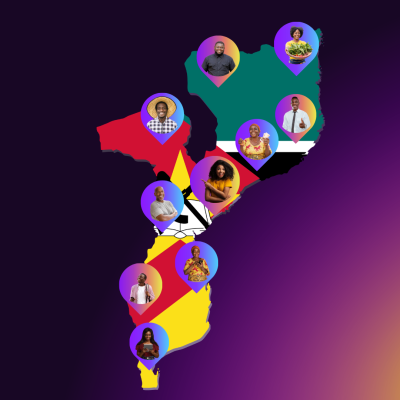

In 2025, Mozambique presents an economic scenario of moderate growth, but marked by political uncertainty and sectoral transformations. In this context, the lack of market intelligence becomes a real obstacle to sustainable business growth. This article explores three critical barriers affecting organizations that have not yet incorporated data and strategic insights into their decision-making, and why this is no longer an option but a competitive urgency.
1. Poorly Informed Strategic Decisions
In a regionally diverse market subject to political and economic fluctuations, many companies continue to make decisions based on assumptions or outdated data. This approach can result in strategies that are misaligned with consumers' real needs, misdirected investments, and loss of competitiveness.
For example, launching a product without first validating local demand can lead to significant losses and compromise the brand's reputation. Market intelligence—through behavioral studies, trend analysis, and active listening—allows decisions to be aligned with real market signals.
According to the World Bank, Mozambique is expected to grow by 4% in 2025, but this rate is considered insufficient to reduce extreme poverty or generate quality jobs. Deciding without data is like sailing without a compass.
2. Difficulty Identifying Market Opportunities
Sectors such as export agriculture, sustainable tourism, and renewable energy are expanding. However, without analytical tools, companies risk overlooking emerging niches, failing to diversify, and losing competitive relevance.
Identifying opportunities requires more than observation: it requires active monitoring, precise segmentation, and the ability to anticipate. The absence of insights limits strategic vision and reduces business agility.
Local example: Companies that do not monitor tourism demand data in areas such as Inhambane or Gorongosa may miss out on opportunities for strategic positioning and partnerships with international operators.
3. Inability to Measure and Optimize Commercial Performance
In an increasingly competitive environment, measuring the impact of commercial actions is essential. Without clear metrics, companies cannot evaluate the effectiveness of campaigns, understand customer behavior, or adjust sales approaches.
Market intelligence allows you to identify friction points, test hypotheses, and implement continuous improvements. Ignoring this dimension means giving up the possibility of growing efficiently and accurately.
How can a company compete in a market where 70% of urban consumers switch brands based on digital experiences? Without data, it can't.
The lack of strategic insights represents a real barrier to business growth in Mozambique. To address market challenges ranging from economic instability to digital transformation, organizations must invest in data analytics systems, build teams with analytical literacy, and cultivate a culture of informed decision-making.
Companies that integrate market intelligence into their processes not only improve operational efficiency, but also position themselves to take advantage of emerging opportunities, respond quickly to changes, and build sustainable competitive advantage.
Practical recommendations:
- Implement simple dashboards with sales data and feedback
- Build teams with analytical literacy
- Establish partnerships with local market research agencies, such as Intelsight
Look beyond. Act intelligently.