EXECUTIVE SUMMARY
The 2026 Annual Consumer Report analyzes the evolution of consumer behavior in Mozambique, based on a study conducted throughout 2025. The study highlights an increasingly conscious consumer, informed and discerning, who make purchasing decisions in a rational and comparative manner, seeking to maximize the total value delivered and reduce risks associated with price, quality, and the shopping experience.
The results show that consumption in Mozambique is not limited by a lack of intention, but rather by structural flaws in market execution. Price emerges as the main challenge, followed by perceived quality and the point-of-sale experience, with poor service and weak knowledge among salespeople standing out. These factors reveal a market where the value proposition often fails to meet consumer expectations, compromising conversion and loyalty.
The purchase decision is strongly influenced by actively seeking information, a practice adopted by the vast majority of consumers before buying. This search reflects defensive and pragmatic behavior, where information acts as a protective mechanism against negative experiences. The most relevant sources of information continue to be human and face-to-face, with friends and physical stores leading as the main spaces of trust and validation. Digital plays a complementary role, mainly through search engines, messaging platforms, and online channels, reinforcing the decision but rarely replacing human contact.
The report also confirms that operational factors such as availability, clarity of information, customer service, and trust now carry as much weight as traditional economic factors. The brand alone is no longer a decisive factor, having been gradually replaced by actual experience and consistency in delivery, with a focus on price and quality.
In this context, sustainable growth in the Mozambican market will be found in organizations that manage to align price, quality, and experience in a disciplined and continuous manner. Investing in people, simplifying processes, educating consumers, and reducing friction throughout the purchasing journey are now more effective strategic levers than isolated promotional campaigns. In 2026, the winners will be brands that execute best, communicate clearly, and deliver consistent and reliable value propositions.
METHODOLOGY
The study was conducted through a structured quantitative survey, administered digitally and physically, with responses collected from consumers in different regions of the country. The questionnaire included questions about socio-demographic profile, consumption habits, purchasing behavior, channels used, decision criteria, and perceptions about the supply of products and services in Mozambique.
Data collection took place between September and November 2025, ensuring diversity in terms of age profiles, income levels, and professional occupation. The data was processed, cleaned, and analyzed by the research team at Intelsight Lda, following best practices in quality control and descriptive statistical analysis.
SAMPLE
- Sample size: 1,207 respondents;
- Universe: consumers residing in Mozambique;
- Age group: 18 years old and/or older;
- Sampling type: non-probabilistic, convenience sampling;
- Confidence level: 95%;
- Margin of error: 2.8 percentage points;
- Instrument: structured questionnaire.
The results presented reflect general consumer trends and perceptions and should not be interpreted as absolutely representative of the entire population.
RESEARCH RESULTS
Disclaimer: The results presented in this report are based on responses collected from study participants during the research period. The opinions expressed reflect the individual and collective perceptions of respondents and do not necessarily represent the entire population or all market stakeholders.
Although every care has been taken in the collection, processing, and analysis of the data, the results should be interpreted as indicative of general trends and perceptions, and there may be limitations inherent in opinion surveys. Intelsight is not responsible for decisions made solely on the basis of this report without consideration of other contextual factors and complementary analyses.
PROFILE OF THE MOZAMBICAN CONSUMER
- Young adult consumer dominant (18-35 years old ≈ 62%).
- Baixo rendimento médio (48% < 10.000 MZN).
- Strong shadow economy (relevant to Side Hustlers).
- Health and well-being as a top priority.
- Cash and mobile money dominate the payments sector.
- Low digital maturity in online shopping.
ECONOMIC PROFILE AND CONSUMER LIQUIDITY
Mozambican consumer income is diversified but structurally fragile, reflecting an economic ecosystem where formal employment, informal activities, and self-employment coexist as pillars of liquidity.
The geographic concentration of respondents in the southern and central regions reinforces that access to income and consumption capacity vary significantly between provinces, directly influencing spending and saving patterns.
Integrated analysis allows the economic profile to be structured in four main dimensions:
1. Sources of income
A hybrid structure predominates between formal work, own businesses, and informal activities, highlighting a consumer who depends on multiple financial sources to ensure stability.
2. Salary level
There is a predominance of low monthly incomes, indicating structural liquidity constraints and greater price sensitivity in consumption decisions.
3. Savings from parallel businesses
The strong presence of parallel businesses demonstrates an economy of survival and adaptation, where informal entrepreneurship emerges as a strategy to supplement primary income.
4. Savings and motivations
Savings play a defensive role, geared primarily toward emergencies, personal investment, and financial protection, reflecting prudent behavior in the face of economic instability.
Strategic Insight
This set of factors reflects a resilient and rational consumer, whose consumption is geared toward maximizing value, managing risk, and prioritizing essential needs.
MOZAMBICAN CONSUMER INCOME
Mozambican consumer income is diversified but structurally fragile. The income source structure reveals a fragmented market where formal employment coexists with informal activities and self-employment in almost equal proportions. The proximity between formal work and self-employment indicates that a significant portion of consumption is sustained by unstable or variable incomes.
This time, consumer income is classified as:
- Fragile and fragmented economic base with income from multiple sources, with a strong emphasis on informal and self-employment.
- Predominance of low incomes, with most consumers living on less than MZN 20,000 per month.
- Resilient and defensive consumption, decisions geared toward income protection, risk reduction, maximization, and value.
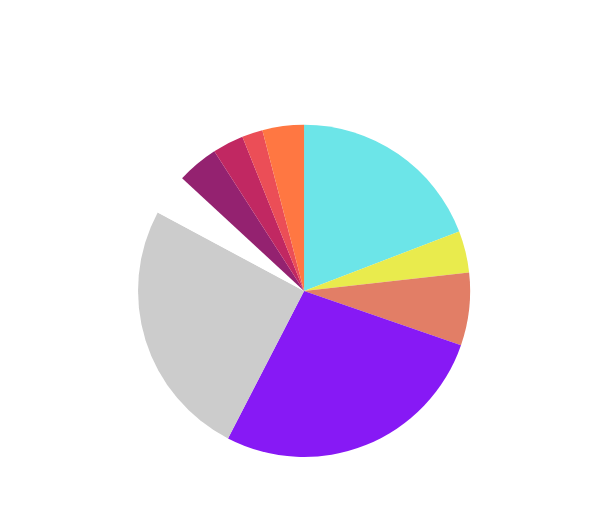
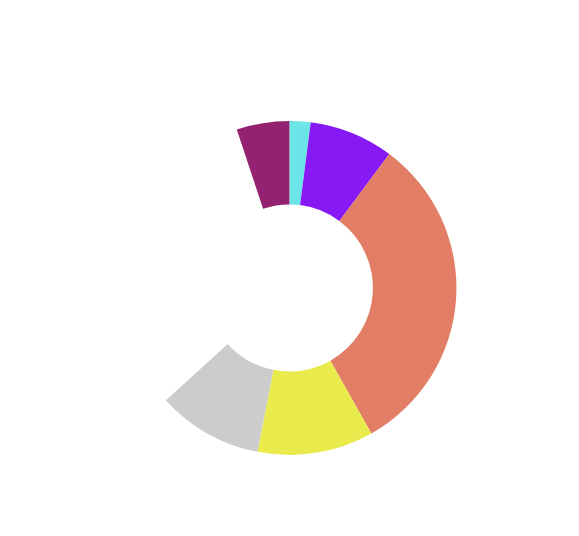
MOZAMBICAN CONSUMER INCOME PYRAMID
The income structure of Mozambican consumers is heavily concentrated in low-income brackets, reflecting high economic pressure and explaining the defensive and pragmatic nature of consumption.
- The strong concentration at the base of the pyramid shows that consumption is mostly defensive, focused on essential needs and strict budget control.
- The so-called “middle class” exists, but it is narrow and unstable. The brackets between MZN 20,000 and MZN 40,000 represent a smaller and vulnerable group, with limited consumption capacity and highly sensitive to economic shocks.
- At the residual top of the pyramid, the percentage of consumers with incomes above MZN 50,000 is low, indicating a small and highly selective premium market.
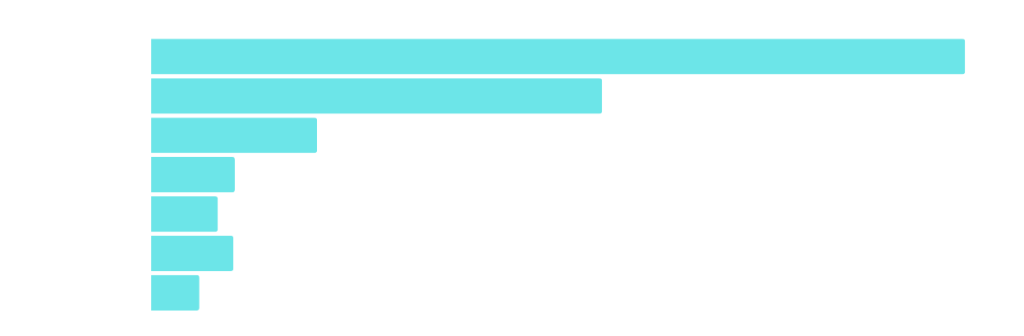
SAVINGS AS A STRATEGY FOR CONSUMER RESILIENCE
Mozambican consumers exhibit resilient, pragmatic, and conditioned savings behavior, using savings as a tool for protection, adaptation, and survival in a context of economic pressure.
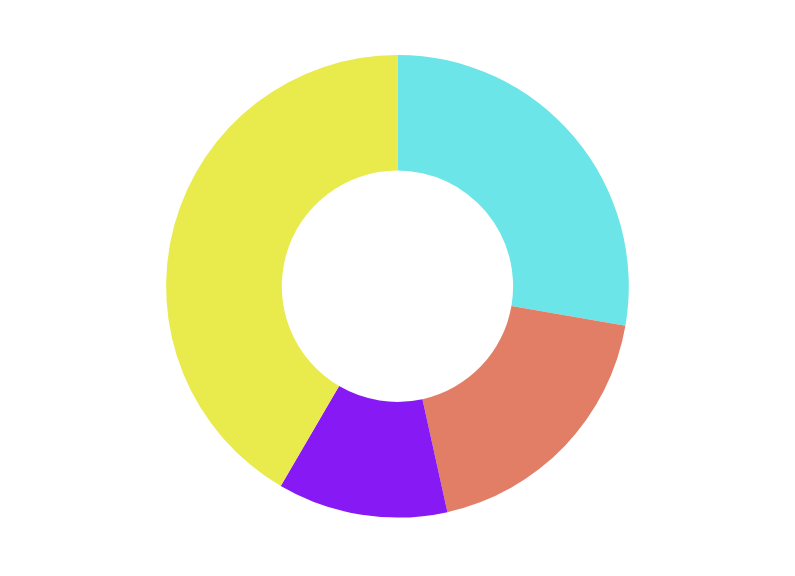
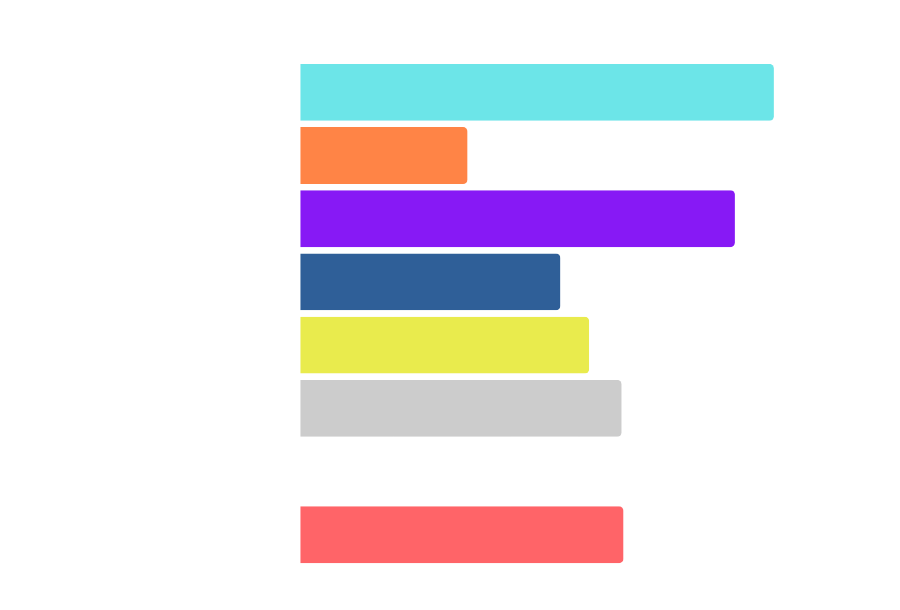
CONSUMER BEHAVIOR AND PRIORITIES
The consumption behavior of Mozambican consumers is strongly driven by essential needs, family stability, and personal well-being. Analysis of spending categories reveals a pragmatic profile, where financial decisions are guided by practical utility, income protection, and the pursuit of quality of life.
Categories where you spend the most
The main areas of consumption are concentrated in food and groceries, education, transportation, clothing, and health and wellness, reflecting a functional consumption pattern geared toward basic needs. Products and services related to entertainment or non-essential expenses are given lower priority, reflecting a cautious financial stance.
Education as an investment
Education emerges as one of the strategic dimensions of consumption, being perceived not only as an expense but as a long-term investment. Expenses related to school enrollment and transportation stand out, indicating a concern with social mobility, personal development, and improved future opportunities.
Personal priorities
In terms of individual priorities, family and relationships are the most important, followed by health and well-being, which are central elements in decision-making. Work, education, and leisure are also important, but subordinate to family stability and quality of life.
This set of priorities demonstrates a consumer guided by social values and emotional security, directly influencing how they allocate their monthly budget.
Strategic Insight
Consumption in Mozambique reveals a resilient and selective profile, where consumers favor categories that reinforce security, personal progress, and family stability, creating opportunities for brands that deliver tangible value, accessibility, and long-term benefits.
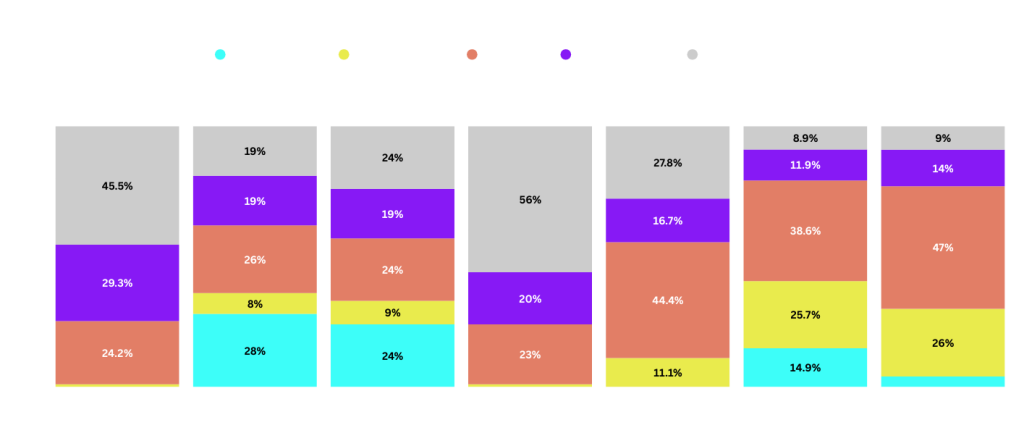
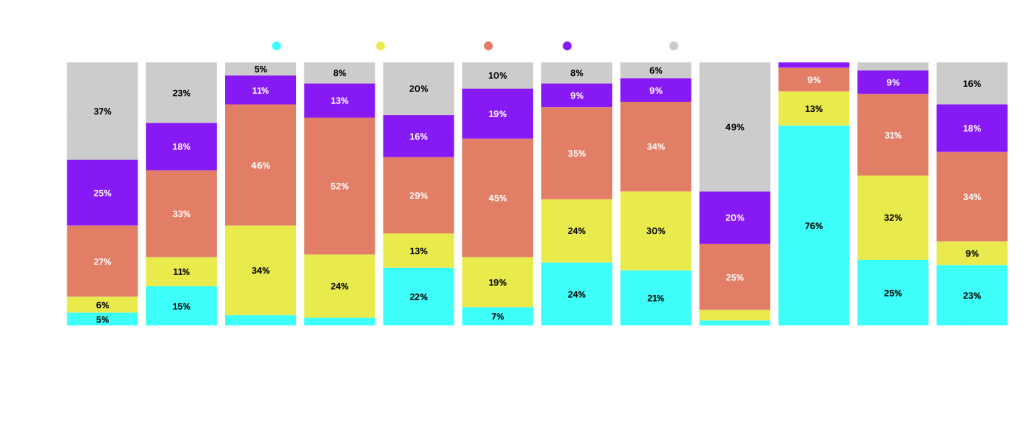
PURCHASE AND DIGITIZATION JOURNEY
The Mozambican consumer's purchasing journey reflects a hybrid model, where physical presence remains dominant, while digital channels are gradually gaining relevance. The behavior observed shows an early transition to digital, marked by traditional purchasing habits and a growing demand for information before the final decision.
Purchase frequency
Consumers shop frequently, especially on a daily and weekly basis. This pattern indicates fragmented consumption, influenced by the continuous management of disposable income and the need to adapt to variations in liquidity throughout the month.
Online shopping vs. physical shopping
Physical stores remain the main channel for purchases and are considered the most relevant form of interaction with products and services. Despite the growth of digital, online shopping is still infrequent, highlighting limitations related to trust, access to platforms, and established habits at physical points of sale.
Social media emerges as a complementary channel, functioning more as a space for discovery than as a direct channel for transactions.
Information channels
Before making a purchase, consumers mainly turn to physical stores, recommendations from friends and family, and social media to gather information. Digital platforms and search engines appear as secondary sources, indicating that human influence and in-person experience continue to play a significant role in the decision-making process.
Research before purchasing
Active research behavior is observed, with most consumers searching for product information with varying frequency. This process reinforces the importance of transparency, availability of information, and salesperson expertise at the point of contact, as the final decision tends to occur after practical or social validation.
Strategic Insight
The purchasing journey in Mozambique is characterized by a "physical-first, digital-assisted" model, where consumers combine basic online research with in-person validation. Brands that integrate a strong physical presence, clear communication on social media, and accessible information will have a greater ability to influence purchasing decisions.
CONSUMERS LOOK FOR INFORMATION BEFORE BUYING
Almost 9 out of 10 consumers seek information before making a purchase, reinforcing the importance of clarity, trust, and consistency in brand communication.
- Consumers are informed by default – the overwhelming majority of consumers do not buy on impulse. Seeking information is a natural part of the purchasing journey.
- The decision begins before the point of sale – The fact that only a minority say they never look for information indicates that the decision is made gradually. The influence happens before contact with the salesperson.
- The perceived risk is high; the demand for information reflects: price sensitivity, distrust in quality, inconsistent past experiences.
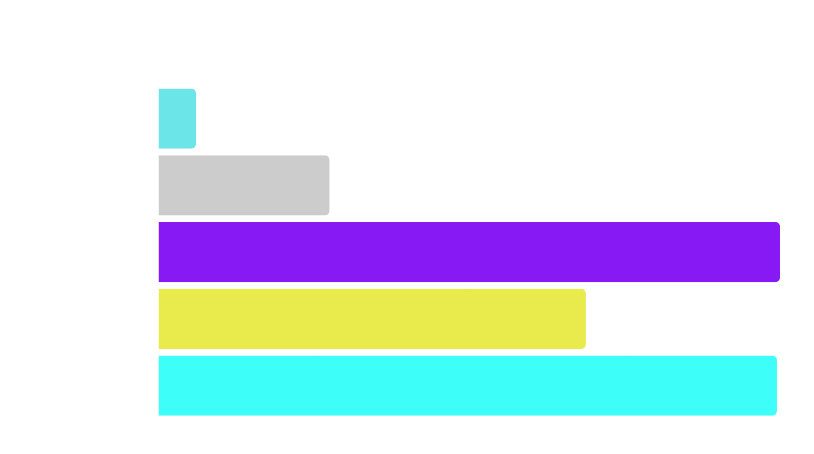
WHERE CONSUMERS GET THEIR INFORMATION (SOURCES)
Mozambican consumers trust people more than platforms. Purchasing decisions are social, contextual, and validated at the point of sale, with digital playing a supporting and confirming role.
- Word of mouth remains the main source of trust – friends and physical stores clearly lead, far above digital channels.
- Digital provides information, but it does not replace human trust – Google, WhatsApp, and online stores have significant influence but do not lead the way.
- The physical store remains critical in the decision funnel. The store is not just a point of sale, it is a point of validation.
- Social media influences, but does not decide – Facebook, Instagram, and TikTok appear further down, reinforcing that they generate awareness but are not the main source of decision-making.
- ChatGPT is already a relevant source, with Mozambican consumers already using AI as a source for searching, comparing, explaining, and validating decisions.
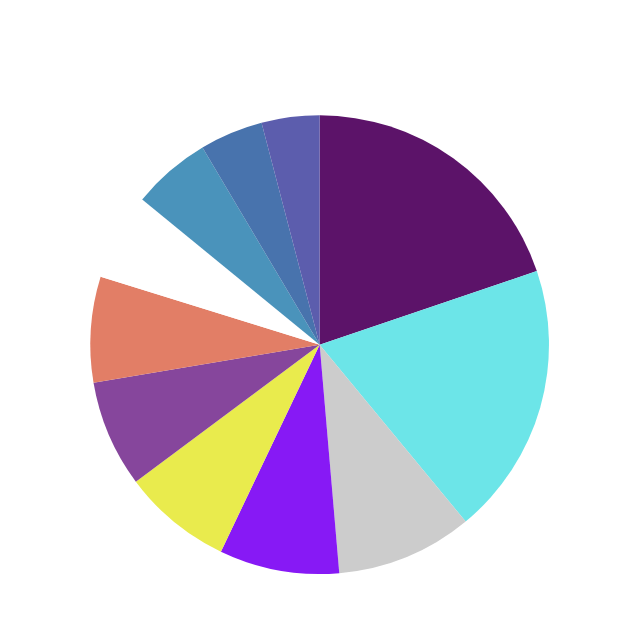
PREFERRED PAYMENT METHODS
An analysis of payment methods reveals consumers who are strongly oriented toward practical, accessible, and widely accepted solutions in the market.
Physical money and and mobile moneyplatforms, such as M-Pesa and e-Mola, stand out as the most relevant means of payment, reflecting high levels of trust, ease of use, and greater adaptation to the local economic context.
On the other hand, debit and credit cards are relatively less important, indicating limitations associated with traditional banking, perceived costs, and financial habits that are still focused on more immediate solutions.
Platforms such as mKesh show reduced levels of importance, suggesting lower penetration or lower perceived value among consumers.
This pattern reinforces that the Mozambican financial ecosystem is increasingly driven by mobile money and cash, positioning these solutions as critical elements for
business strategies, financial inclusion, and expansion of digital services in the country.
DECISION DRIVERS AND CUSTOMER EXPERIENCE
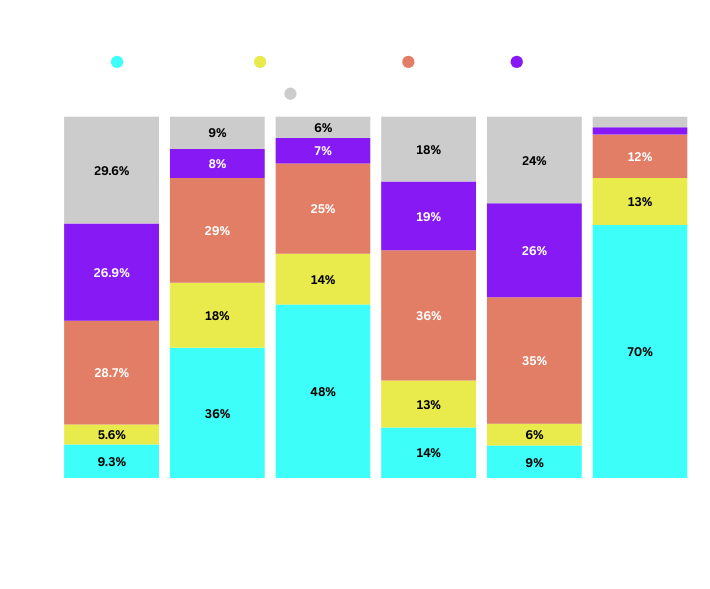
The analysis of decision-making drivers shows that Mozambican consumers favor practical and tangible factors when evaluating products and services. Price, quality, availability, and customer service emerge as the main elements that guide their choice, reflecting rational consumer behavior that is highly sensitive to perceived value and convenience.
Key drivers :
- Price remains one of the most decisive factors, especially in a context marked by low income levels and the need to optimize the family budget.
- Quality appears to be a critical element in building trust, while product availability directly influences the final decision, highlighting the importance of efficient supply chains and consistent market presence.
- Customer service stands out as a relevant differentiator, capable of reinforcing the perception of value and loyalty.
Challenges in the consumer experience:
Despite the importance of these drivers, consumers identify significant obstacles during the purchasing journey.
High prices remain a significant barrier, limiting access to certain products and services.
Inconsistent quality breeds mistrust and increases the need for validation before purchase.
Additionally, the lack of technical knowledge among salespeople is cited as a recurring challenge, negatively impacting the customer experience and confidence at the point of sale.
Strategic Insight
The balance between competitive pricing, consistent quality, and sales team training is essential to improving the consumer experience. Brands that invest in sales training, transparent communication, and continuous product availability will be better positioned to meet the expectations of Mozambican consumers, who are increasingly demanding and value-oriented.
PURCHASE DECISIONS – MAIN INFLUENCING FACTORS
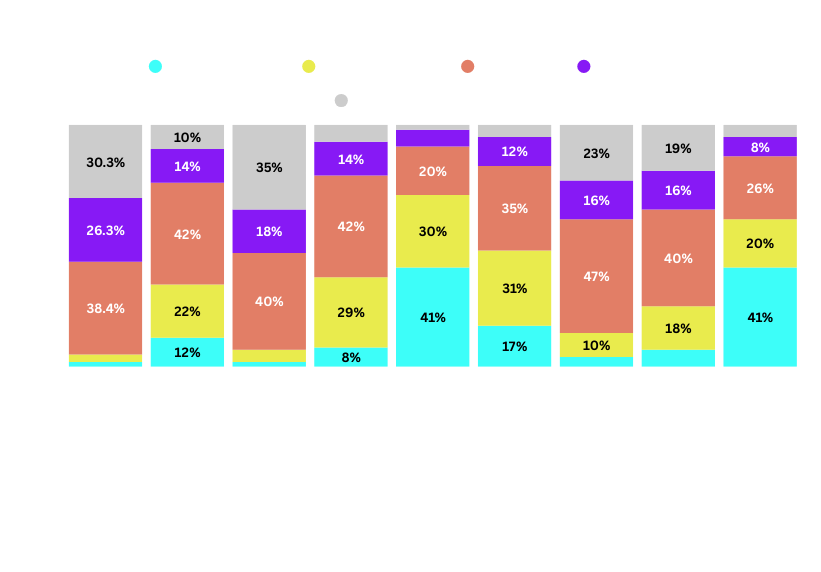
- Mozambican consumers' purchasing decisions are predominantly guided by rational and functional factors, with price, quality, and availability being key elements in the decision-making process. These factors reflect pragmatic consumer behavior, where maximizing perceived value and managing budgets play a decisive role.
- Quality emerges as one of the most valued attributes, indicating that, despite price sensitivity, consumers seek a balance between cost and benefit.
- The brand and customer service are also highly relevant, suggesting that trust and experience at the point of contact continue to influence the final decision.
On the other hand, recommendations from influencers and online reviews carry less weight, showing that digital influence is still limited when compared to tangible factors such as product availability, traditional advertising, and recommendations from friends and family.
Strategic Insight
Consumers demonstrate a decision-making logic guided by real value and accessibility, favoring attributes that guarantee trust, quality, and ease of access to the product. Brands that balance competitive pricing, strong physical presence, and consistent experience tend to gain greater relevance in the decision-making process.
CHALLENGES IN THE CONSUMER SHOPPING EXPERIENCE
The main challenges faced by consumers during the shopping experience reflect a market that is still maturing, where structural and operational factors directly influence the perception of value and trust in brands.
- Price emerges as the biggest barrier, highlighting consumers' high financial sensitivity and the constant need to balance cost and benefit.
- The inconsistent quality of products and services is also highlighted as a significant challenge, indicating that consumer expectations are increasingly aligned with standards of performance and durability.
- At the same time, poor customer service and a lack of technical knowledge among salespeople reveal gaps in the point-of-sale experience, negatively impacting the final decision and customer loyalty.
- In the digital context, the absence of credible online sales platforms and the limited availability of product information reinforce the preference for face-to-face interactions, highlighting opportunities for improvement in brand communication and transparency.
Strategic Insight
To respond to these challenges, it is essential to invest in consistent quality, training customer service teams, and creating more reliable and informative digital channels that can reduce uncertainty and strengthen consumer confidence throughout the purchasing journey.
SUSTAINABILITY AND SOCIAL AWARENESS
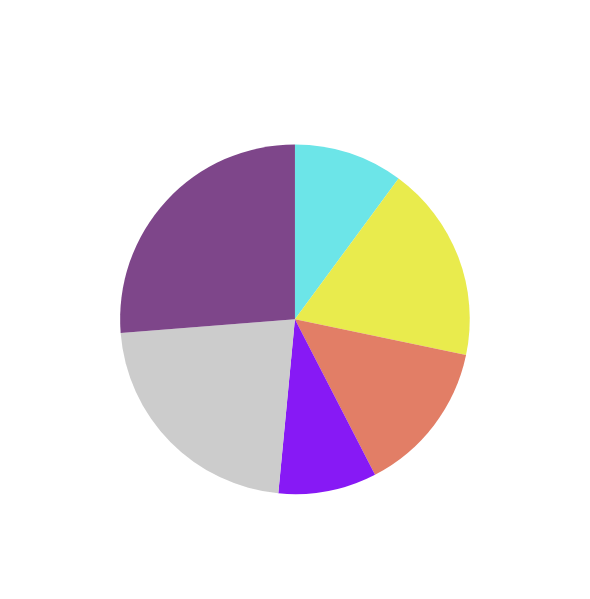
Environmental sustainability is beginning to establish itself as a relevant factor in Mozambican consumers' purchasing decisions, reflecting a gradual evolution in social and environmental awareness.
The analysis shows that a significant portion of consumers consider sustainability to be an important or very important factor when evaluating products and services, indicating a shift in mindset toward more responsible choices.
This behavior reveals that, in addition to price and quality, there is a growing appreciation for business practices aligned with positive environmental impact, social responsibility, and conscious use of resources.
Although sustainability is not yet the main driver for decision-making, its growing importance suggests a strategic opportunity for brands that integrate clear messages about environmental impact, transparency, and commitment to the community.
IStrategic Insight
The incorporation of sustainable practices, transparent communication, and local social initiatives can strengthen brand reputation and create competitive differentiation in a market where environmental awareness is expanding and already demonstrating growing relevance in consumer perceptions.
SATISFACTION IN THE MOZAMBICAN MARKET
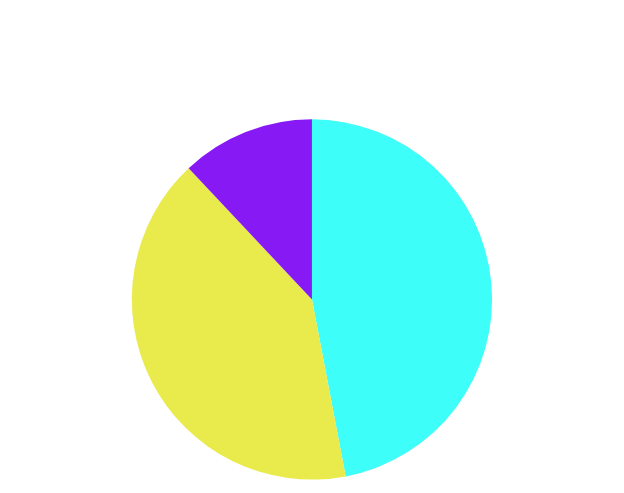
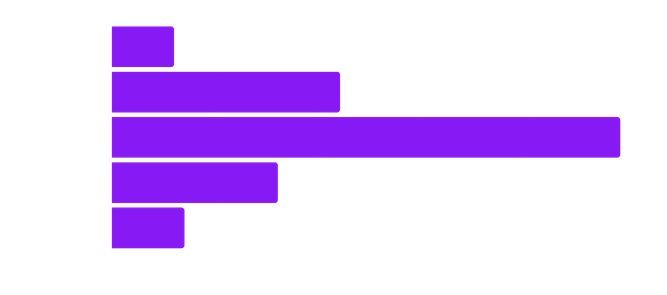
The overall level of consumer satisfaction with the range of products and services in Mozambique is moderate, with a predominance of intermediate ratings.
The concentration of responses in the 3-star range indicates that, although the market is able to meet consumers' basic needs, there is still significant room for improvement in terms of quality of experience, consistency of services, and perceived value. This suggests that consumers recognize improvements in access and product diversity, but still have unmet expectations, especially in areas related to customer service, quality, and value for money.
The scenario reveals a functional market, but one that is still far from high levels of satisfaction and loyalty.
Degree of Satisfaction with the Supply of Products and Services in Mozambique:
STRATEGIC IMPLICATIONS – INTELSIGHT READING
An integrated analysis of Mozambican consumer behavior reveals a market in transformation, characterized by high resilience, price sensitivity, and growing adaptation to practical and affordable solutions. Beyond descriptive data, it is essential to translate these patterns into strategic implications that guide decisions on positioning, innovation, and brand expansion in the country.
Opportunities for brands
The economic and social context highlights significant opportunities for companies that manage to align their value proposition with consumer reality. Low-ticket products and products and affordable solutions have high potential for adoption, especially in essential categories.
The growth of mobile money positions fintechs and digital services as key enablers of financial inclusion and commercial expansion.
The appreciation of professional education opens up space for initiatives related to training and personal development, while health and well-being stand out as strategic areas with strong emotional and functional priority for consumers.
Strategic risks
Despite the opportunities, the market presents structural challenges that require brands to continuously adapt.
Low consumer liquidity limits growth based solely on volume and requires more flexible pricing models.
Limited trust in digital platforms shows that online transformation still faces barriers related to security and credibility. In addition, high dependence on price as a decision driver increases competitive pressure, making differentiation through consistent quality, superior experience, and brand building essential.
Intelsight strategic reading
The Mozambican market favors organizations that can balance affordability with perceived value, integrating simple digital solutions, a strong physical presence, and transparent communication. Brands that understand the logic of resilient and adaptive consumption will have greater capacity for sustainable growth in an evolving competitive environment.
Would you like more details about this report or
Would you like to learn more about our essence?
Talk to us
Tel.: +258 87 061 61 61
Email: info@intelsightmz.com
Location: Sommershield, Rua do Largo Heróis da Fé, no. 135, Maputo, Mozambique
Website: www.intelsightmz.com
CONFIDENTIALITY
This report and the data contained herein are strictly confidential and intended for the exclusive use of Intelsight Lda and authorized parties. The reproduction, distribution, or disclosure of this document, in whole or in part, without prior express authorization is prohibited. Any unauthorized use may compromise the integrity of the information and expose the organization to risks of misinterpretation or misuse.