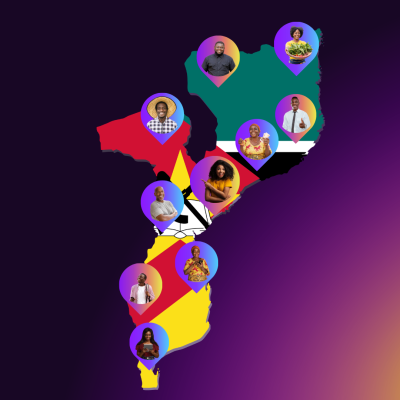
HIV remains one of the greatest public health crises of our time. Worldwide, more than 40 million people are living with the virus, and around 600,000 die each year from HIV/AIDS-related illnesses. In Mozambique, the reality is even more alarming: more than 2.4 million people are living with HIV, more than 80,000 have been infected recently, and more than 40,000 die every year. These numbers are not just statistics—they are lives. And they demand an urgent, informed, and sustained response.
For business and institutional leaders, understanding this reality is not just a matter of social responsibility: it is a strategic necessity. The impact of HIV affects productivity, sustainability, and economic development. Ignoring the data is compromising the future.
What the data reveals
The HIV epidemic is not homogeneous. In Africa, more than 26 million people live with the virus, and 200,000 die each year. Mozambique is among the countries with the highest prevalence, with about 12.6% of the adult population affected.
These figures show that HIV is not a distant issue—it is a close, daily, and structural reality. For C-level decision-makers, this means that employees, customers, and communities are directly exposed. The epidemic is not just a public health problem: it is a systemic risk that affects value chains, social stability, and economic growth.
Prevention: a habit, not a reaction
Prevention is the most effective way to stop the epidemic. And it should be seen as a daily habit, not as a one-off response. Strategies such as Pre-Exposure Prophylaxis (PrEP) and Post-Exposure Prophylaxis (PEP) have shown promising results.
- PrEP is administered before exposure to the virus and dramatically reduces the risk of infection.
- PEP, on the other hand, is an emergency measure that must be started within 72 hours after exposure to risk.
Mozambique has been implementing programs to increase the availability of these drugs, but community education and demystification remain essential to ensure access and adherence.
For business leaders, supporting prevention campaigns and integrating health policies into the workplace is an investment in human capital. Prevention is not just a medical measure; it is a sustainability strategy.
Treatment transforms lives
For decades, HIV was interpreted as a death sentence. But today, thanks to scientific advances, that narrative has changed.
More than 31 million people worldwide receive antiretroviral treatment. With proper medical follow-up:
- It is possible to live a long and healthy life.
- It is possible to have children without the virus.
- It is possible not to transmit HIV to other people.
Treatment not only saves lives, it restores life plans. And it is free in Mozambique, available in public health facilities. The challenge lies in informing, combating stigma, and ensuring that no one is left behind.
For C-level decision makers, supporting initiatives that promote access to treatment means strengthening the resilience of communities and, consequently, markets.
Stigma still kills
Despite advances, stigma remains one of the biggest obstacles. Many people avoid getting tested or starting treatment for fear of discrimination.
- Prejudice drives people away from the healthcare system.
- Shame prevents family dialogue.
- Ignorance perpetuates myths and fears.
Combating stigma is as urgent as distributing medication. We need to talk openly, educate without judgment, and create safe spaces so that everyone can take care of their health without fear.
For business leaders, this means promoting inclusive environments that are free from discrimination. Stigma is not only a social problem; it is also an obstacle to productivity and organizational well-being.
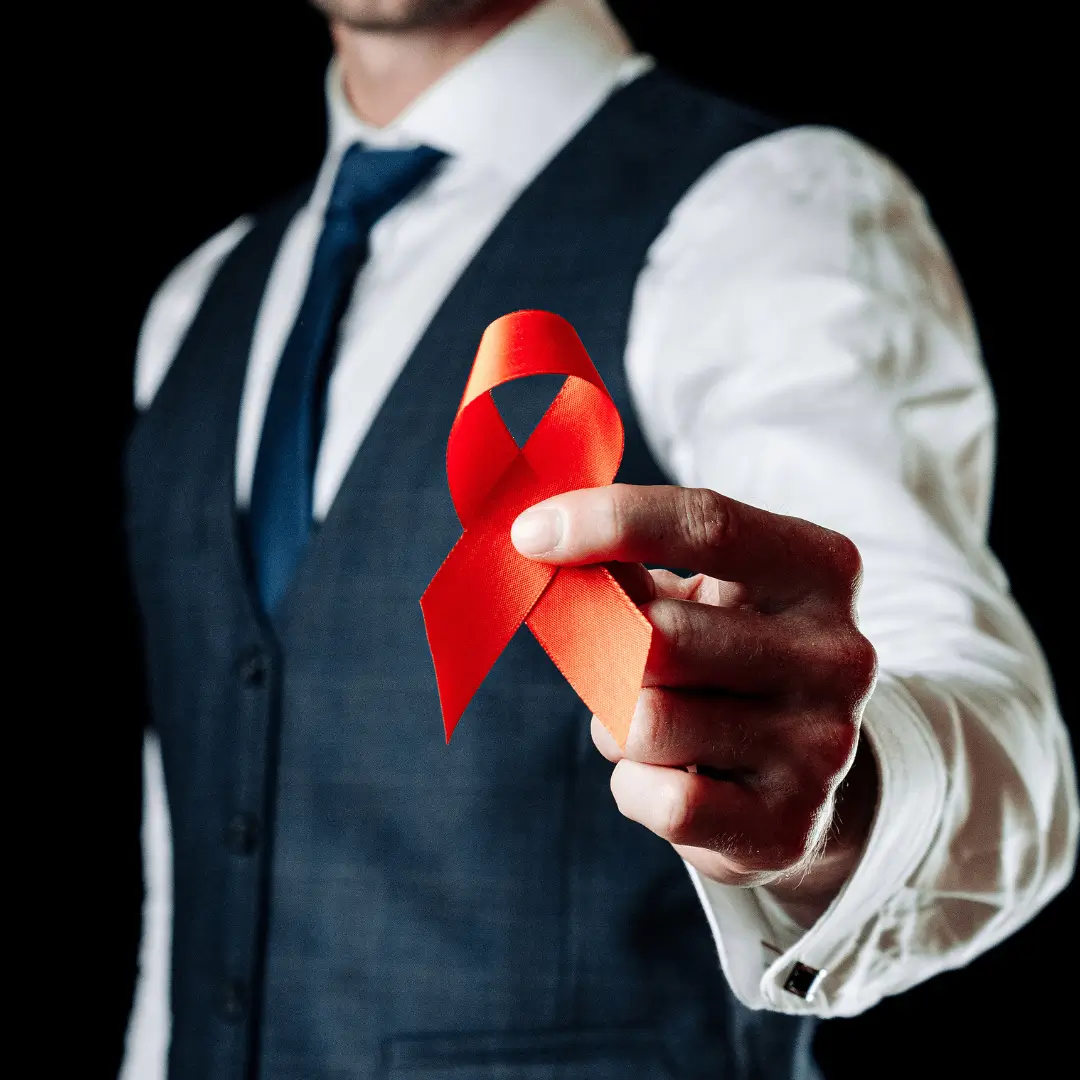
World AIDS Day, marked on December 1, is a time for raising awareness, but also for making commitments.
This December, we should:
- Look at the data seriously.
- Strengthen access to prevention and treatment.
- Mobilize communities, schools, businesses, and institutions.
- Remember that HIV does not discriminate, but that each person can choose to protect themselves, inform themselves, and take care of themselves.
An analysis of the impact of HIV in Mozambique and worldwide reveals a harsh but changeable reality.
- The numbers are high, but science is on our side.
- Prevention works, treatment saves lives, and stigma can be overcome.
- HIV is no longer a death sentence; it is a manageable, treatable condition that is compatible with a full life.
Look beyond. Act intelligently.
Sources
- UNAIDS – Global HIV & AIDS Statistics (2025)
- WHO – HIV/AIDS Fact Sheet (2025)
- 360 Mozambique – Public Health Reports in Mozambique (2025)