EXECUTIVE SUMMARY
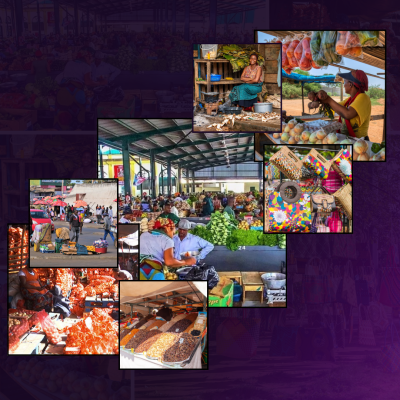
The informal sector in Mozambique is a cornerstone of the economy, serving as the primary source of income for a large portion of the population. It is characterized by a highly resilient model, focused on immediate liquidity and pragmatic day-to-day management.
Despite its importance, the sector’s growth is limited by structural constraints, notably restricted access to financing, low demand predictability, and weaknesses in inventory management. In this context, capital turnover takes precedence over profit margins, reflecting a focus on survival and continuous adaptation.
The operation relies heavily on relationships based on trust and proximity, rather than formal mechanisms. The sector also plays a critical role in the distribution chain, serving as an essential link for market access, especially in contexts where formal distribution networks are limited.
There is a growing integration between the informal and formal sectors, driven by mobile money and supply through structured channels. However, formalization should occur gradually, through solutions that respect the operational logic of the informal sector.
In Mozambique, the informal sector will continue to be a key driver of the economy. Organizations that are able to adapt to its dynamics, integrate into the ecosystem, and align their value propositions with the realities of informal-sector operators will be better positioned to achieve sustainable growth.
METHODOLOGY AND SAMPLE
Methodology
The study was conducted using a structured quantitative survey, administered in a hybrid format (digital and in-person), among operators in the informal sector in different regions of Mozambique. The questionnaire was designed to capture sociodemographic profiles, business operating models, management practices, purchasing behavior, supply channels, decision-making criteria, and perceptions of the economic and competitive environment.
Data collection took place between November and December 2025, ensuring diversity in terms of geographic location, income levels, and types of activity. The data underwent rigorous validation, cleaning, and statistical processing by the Intelsight team, ensuring analytical consistency and robustness in the interpretation of the results.
Sample
- Sample size: 1,011 respondents
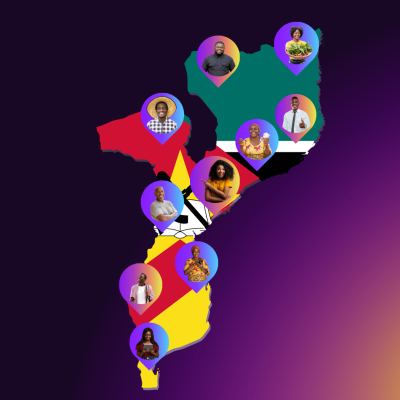
- Population: Informal-sector workers residing in the cities of Maputo, Matola, Beira, and Nampula
- Age group: 18 and older
- Sampling method: Non-probability, convenience sampling
- Confidence level: 95%
- Margin of error: 2.8 percentage points
- Instrument: Structured questionnaire
The results presented reflect general consumer trends and perceptions and should not be interpreted as absolutely representative of the entire population.
RESEARCH RESULTS
Disclaimer: The results presented in this report are based on responses collected from study participants during the research period. The opinions expressed reflect the individual and collective perceptions of the respondents and do not necessarily represent the entire population or all market stakeholders. Although every effort has been made in the collection, processing, and analysis of the data, the results should be interpreted as indicative of general trends and perceptions, and there may be limitations inherent in opinion surveys. Intelsight is not responsible for decisions made solely on the basis of this report without consideration of other contextual factors and supplementary analyses.
1. URBAN COMMERCE AND THE YOUNG POPULATION DRIVE THE INFORMAL SECTOR
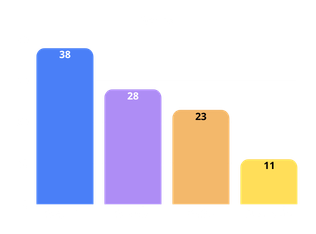
Retail and services dominate the sector (77%), supported by a predominantly young and economically active population.

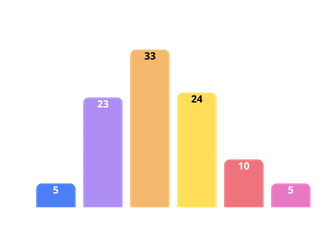
Insights:
- The informal sector is predominantly distribution-oriented and serves as the primary channel for market access in environments with low levels of formal market penetration;
- High urban concentration indicates that the informal sector grows where there is economic density and consumer spending.
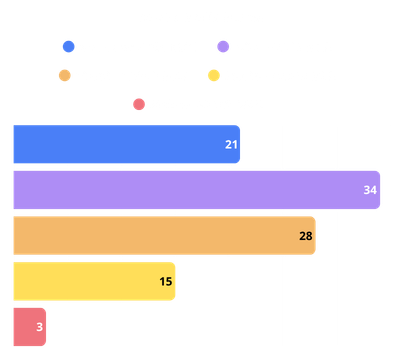
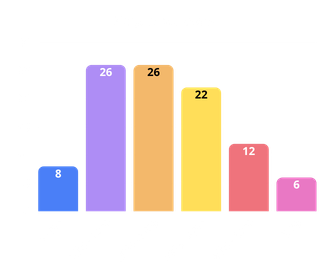
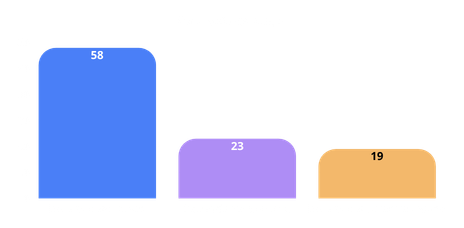
2. THE INFORMAL BUSINESS IS SUSTAINED BY VOLUME, NOT BY MARGIN
82% have monthly revenue of less than 20,000 MZN, with limited profit margins, reflecting a business model focused on survival and liquidity.
Insights:
- The economic model of the informal sector is based on survival: small scale, limited profit margins, and a heavy reliance on cash flow.
- The margin structure does not support growth, only operational continuity
- Pricing is determined by cost (58%), rather than by market strategy, which limits differentiation and value capture.
3. CASH REMAINS DOMINANT, BUT THE MOBILE WALLET IS ALREADY PART OF THE OPERATIONAL INFRASTRUCTURE
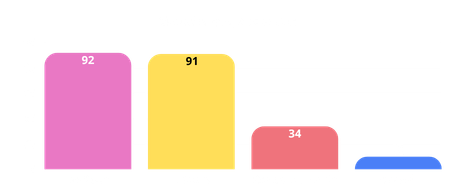
The mobile wallet has become part of the operational infrastructure, while supply relies heavily on the formal system.


Insights:
- The informal sector already operates under a hybrid model, in which cash remains dominant, but mobile money is playing an increasingly important role as a platform for transactions and financial management.
- The supply chain is closely linked to the formal system through distributors and wholesalers, highlighting a structural interdependence between the two ecosystems.
- This context creates a clear opportunity for integration, channel management, and the development of financial solutions tailored to the realities of the informal sector.
4. THE INFORMAL SECTOR IS DIGITAL IN ITS OPERATIONS BUT ANALOG IN ITS MANAGEMENT
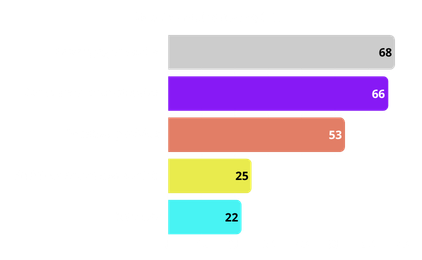
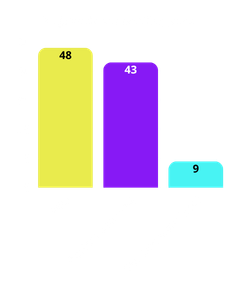
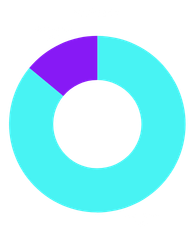
Mobile phones already support sales and payments, but this capability is not being translated into structured control and management.
Insights:
- The informal sector has a significant level of operational digitization, with widespread use of cell phones for payments, communication, and order management. However, this digitization does not translate into structured management practices, as most operators lack formal sales records or financial controls.
- The main strategic opportunity lies in turning cell phone use into a management tool, thereby laying the foundation for growth, access to credit, and greater business resilience.
5. THE SECTOR WANTS TO GROW, BUT IS HELD BACK BY LIQUIDITY AND ACCESS TO CAPITAL
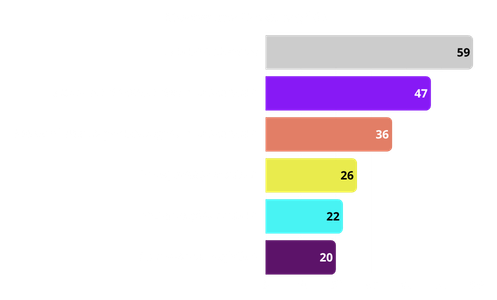
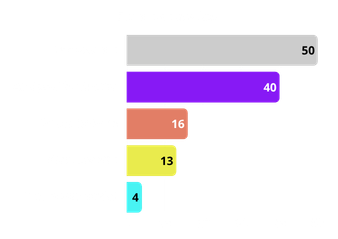
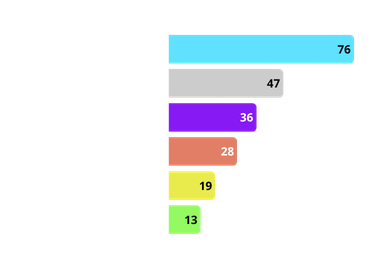
A lack of customers, rising costs, and low liquidity limit the company's ability to operate and grow.
Insights:
- The informal sector faces a range of operational pressures, notably a lack of customers, rising costs, and liquidity constraints.
- The limited availability of capital restricts the ability to purchase inventory, directly undermining sales and business growth.
- Access to formal credit is limited, leading to a reliance on informal solutions that cannot scale.
- There is a clear opportunity to develop financial and operational solutions that address the sector's real needs.
6. THE SECTOR WANTS TO GO FORMAL, BUT ONLY WHEN THERE IS A CLEAR BENEFIT
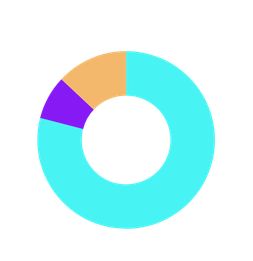
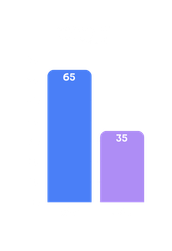
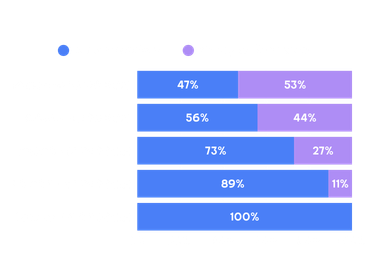
65% want to formalize their employment, but the decision depends on concrete benefits, not regulatory mandates.
Insights:
- Formalization in the informal sector is not limited by a lack of interest, but by the absence of clear and accessible benefits.
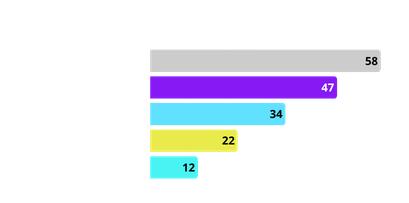
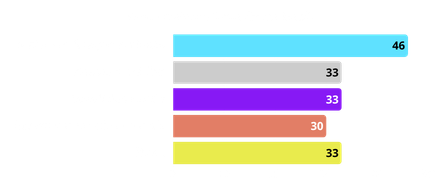
- Although most operators express an intention to formalize the process, the decision is heavily influenced by economic and operational factors, such as cost, complexity, and perceived utility.
- Interest increases with income level, indicating that formalization is a natural consequence of business growth.
- Effective strategies should focus on simplifying processes and creating tangible value, particularly through access to credit, markets, and greater confidence.
7. THE FORMALIZATION PROCESS SHOULD BE PHASED; NOT EVERYONE IS READY AT THE SAME TIME
38% of the market is already primed for accelerated integration.
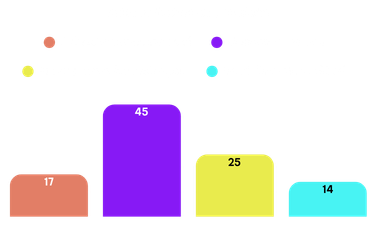
Vulnerable livelihoods | 16.6% | Very low income, no formal records, and low digital adoption.
Stable operator | 44.6% | Consistent operating cash flow, but still largely informal.
Bridge to Formal Employment | 24.6% | Already uses digital tools and shows a strong intention to enter the formal workforce.
Scalable semi-formal | 14.6% | More structured, better performance, and greater readiness for scaling.
Model built using 7 variables: income, current registration status, intention to formalize, cell phone use, acceptance of a mobile wallet, bank account, and sales records.
Insights:
- The informal sector exhibits varying levels of maturity, requiring a segmented approach to its integration into the formal system.
- The “stable operator” segment represents the greatest opportunity, combining scale and potential for transformation.
- The “bridge to formal employment” segment, on the other hand, enables rapid transitions through simple and accessible solutions.
- Effective strategies should align the value proposition with each group's level of maturity, maximizing impact and efficiency.
8. HOW TO CAPTURE VALUE IN THE INFORMAL SECTOR
Integrate, professionalize, and only then formalize.
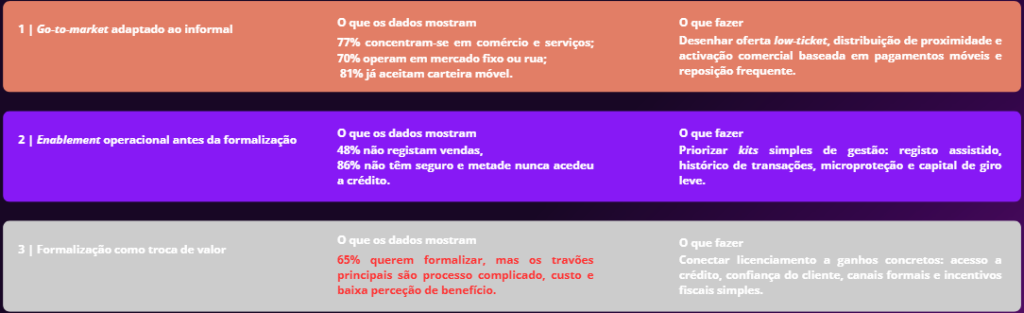
Intelsight Conclusion:
- The informal sector should not be “corrected”; it should be understood as a real economic channel.
- Competitive advantage will come from solutions that reduce friction, respect your operational logic, and turn proximity into scale.
- The informal sector is the largest channel for reaching consumers. Whoever understands, structures, and integrates it controls growth.
THE INFORMAL SECTOR IS THE LARGEST CHANNEL FOR REACHING CONSUMERS. WHOEVER UNDERSTANDS, STRUCTURES, AND INTEGRATES IT WILL CONTROL GROWTH
It's not a problem to be solved; it's an economic system to be integrated.
Growth will not come from forced formalization, but from the ability to operate within the informal system, reducing friction and increasing efficiency.
Organizations that succeed in integrating, professionalizing, and scaling this ecosystem will lead the market.
Would you like more details about this report or to learn more about our essence? Contact us
Phone: +258870616161
Email: info@intelsightmz.com
Address: Sommershield, Rua do Largo Heróis da Fé, No. 135, Maputo, Mozambique